Ecosystems and biodiversity
Protecting biodiversity means protecting the future
Ecosystem services are the direct and indirect benefits that humans obtain from nature, such as climate regulation, water purification, pollination, biological control and the production of natural resources, among others. These services sustain life and human well-being, forest productivity and the viability of businesses themselves.
GlossaryIn 2025, three biodiversity-related targets showed progress (distribution of native seedlings, partnerships/research, and mapping of wildlife-vehicle collision hotspots) compared to the previous period, while two (species reintroduction and number of fauna species dependent on high-quality forests) remained stable. See the updated indicators below:
BIODIVERSITY
Maintain and increase the proportion of fauna species dependent on forests of high environmental quality. Period: 2019 a 2030
BIODIVERSITY
Maintain at least six partnerships / research projects per year based on nature conservation and biodiversity studies. Period: 2019 a 2030
BIODIVERSITY
Reintroduce at least two species that are proven to be locally extinct and promote population reinforcement of another four threatened species. Period: 2019 a 2030
BIODIVERSITY
Have 100% of wildlife-vehicle collision hotspots mapped and covered by accident reduction initiatives. Period: 2019 a 2030
BIODIVERSITY
Provide 1 million native tree seedlings for the restoration of degraded areas. Period: 2019 a 2030
Engagement with best practices
By incorporating the recommendations of this framework, organizations can improve risk management and provide greater visibility into financial opportunities related to biodiversity, land use, water use, and climate change.
GlossárioBiodiversity has been part of Klabin’s strategy since its founding. Even before joining the global initiative, Klabin had already been working on initiatives that connect the conservation agenda to its strategic planning and investment decisions:
-
Development of the Biodiversity and Ecosystem Services Conservation Plan, aligned with TNFD guidelines, with the goal of achieving a net biodiversity gain by 2050;
-
Development of a database focused on biodiversity management.
When preparing our double materiality assessment, we prioritized water, climate and biodiversity topics, which are directly linked to nature management. By directing efforts toward these topics, we have the opportunity to maximize their positive impact and minimize risks.
Species reintroduction
Species reintroduction work is carried out by Parque Ecológico Klabin (Klabin Ecological Park - PEK), located in Telêmaco Borba, Paraná. In addition to rescuing, rehabilitating and releasing wild animals, the team is also dedicated to breeding programs for endangered species.
In 2025, highlights in this area included the following:
-
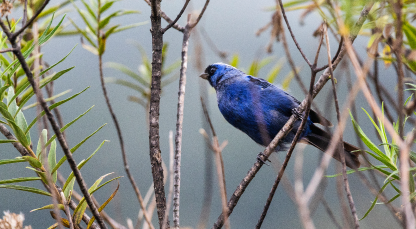
Monitoring campaigns for the black-fronted piping guan (Aburria jacutinga). New records indicate the gradual return of the species to the wild in the Campos Gerais region in Paraná. PEK identified the laying of an egg in a Company conservation area and, months later, recorded the sighting of a family group composed of two adults and two chicks in a natural environment. These milestones reinforce progress in the species’ recovery process, as it had been considered extinct in the region for decades.;
-
The release of three vinaceous-breasted amazons (Amazona vinacea), after completion of all stages of the adaptation process carried out at the Klabin Ecological Park. Since their release, the animals have remained around the park and continue to be monitored by specialists.
The Klabin Ecological Park’s activities in 2025
The Klabin Ecological Park’s activities in 2025
More than
460
rescues carried out
More than
170
animal releases
births
15
monitored*
7,124
welfare activities for zoo animals
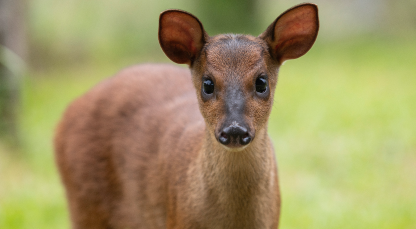
* 1 brown howler monkey, 2 pacas, 2 white-lipped peccaries, 2 dwarf brocket deer and 8 black-fronted piping guans.
Monitoring to help preserve biodiversity
The monitoring of fauna and flora species in High Conservation Value Areas (HCVAs) and other preserved forest areas owned by Klabin is carried out annually to assess the influence of operations on the environmental conservation of these areas. This initiative covers the states of Santa Catarina, São Paulo and Paraná and makes it possible to identify species with recognized conservation status, as well as those threatened with extinction according to the International Union for Conservation of Nature (IUCN). Learn about some of the initiative’s results in 2025:

IDENTIFIED SPECIES
866 fauna species and 2,041 flora species

RECOGNIZED CONSERVATION STATUS
774 fauna species and 677 flora species

THREATENED SPECIES
26 fauna species 39 flora species